
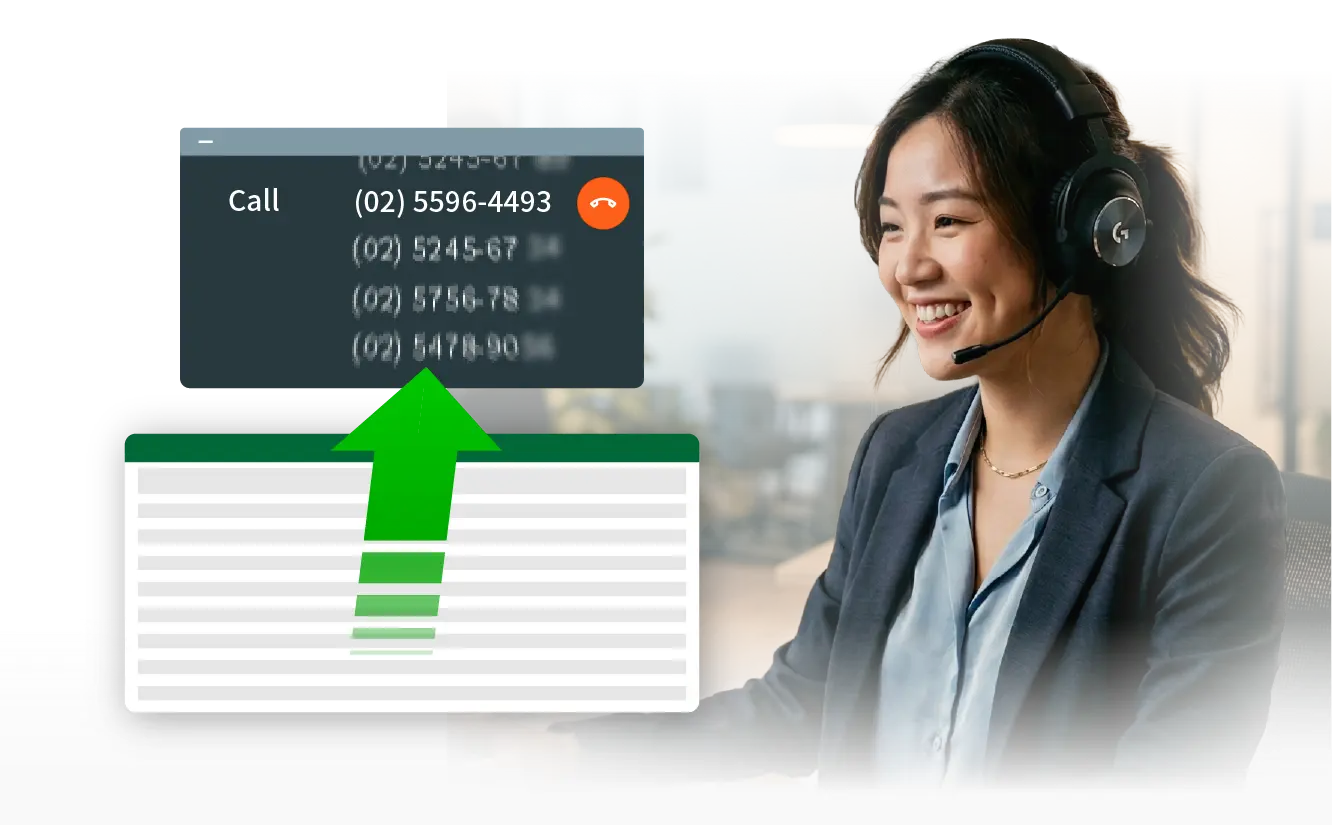










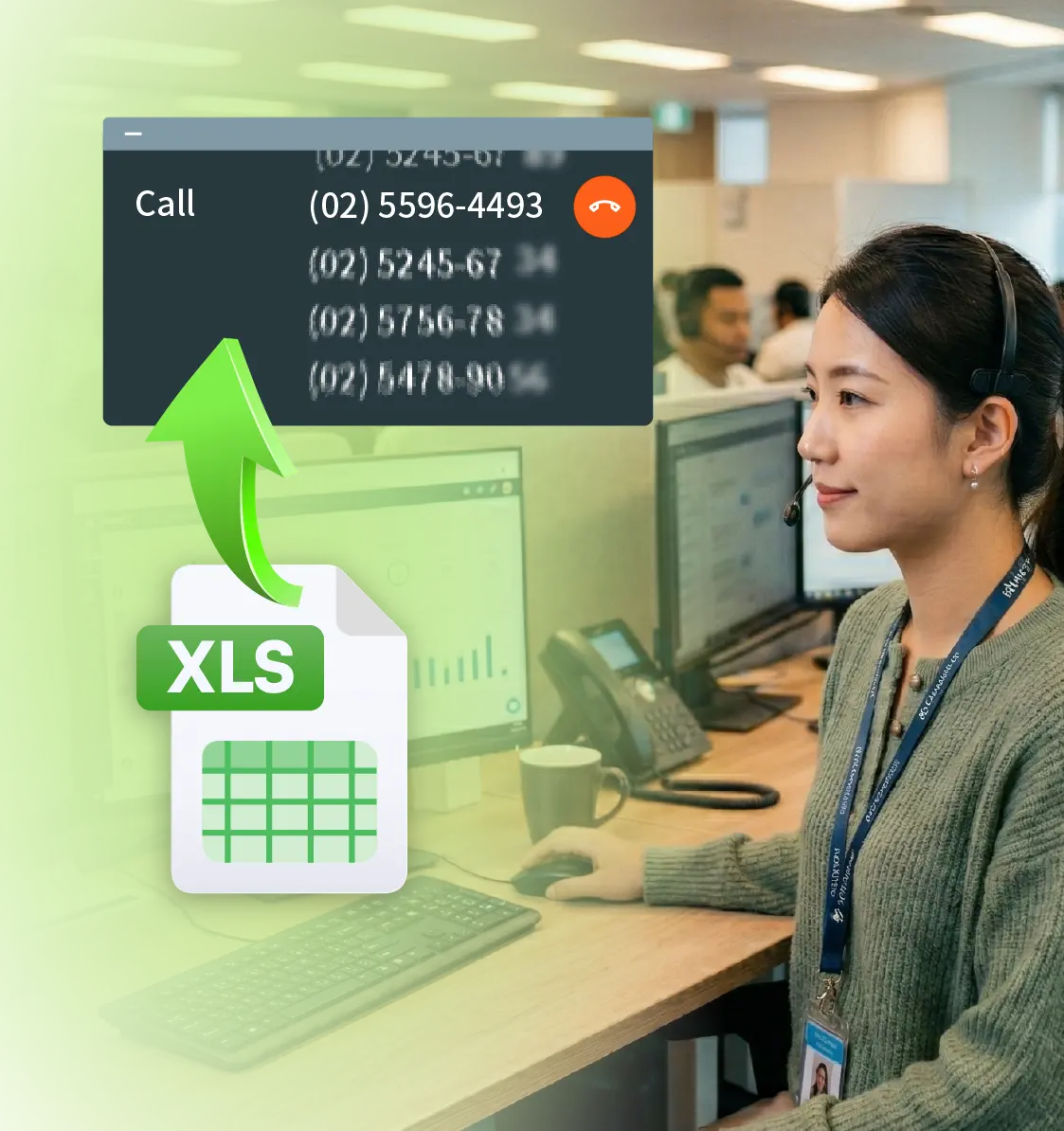
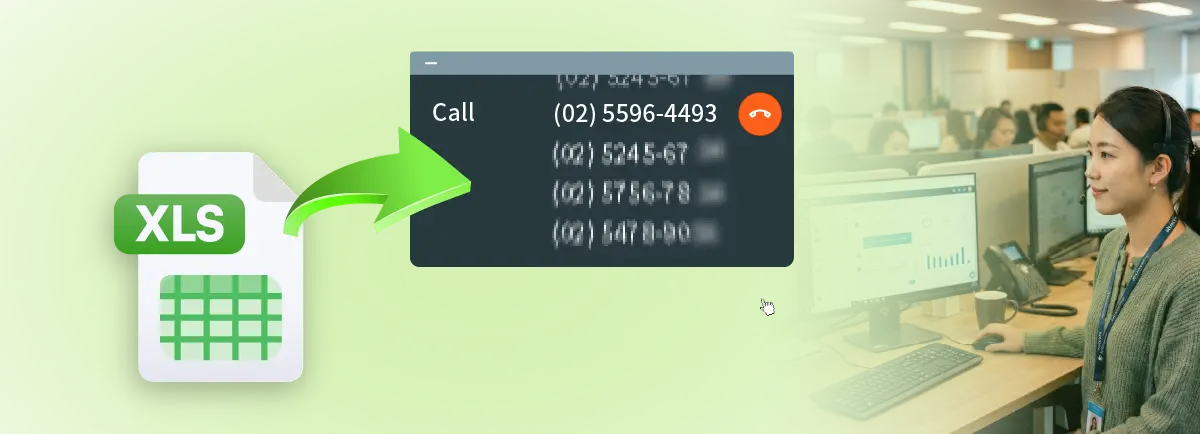




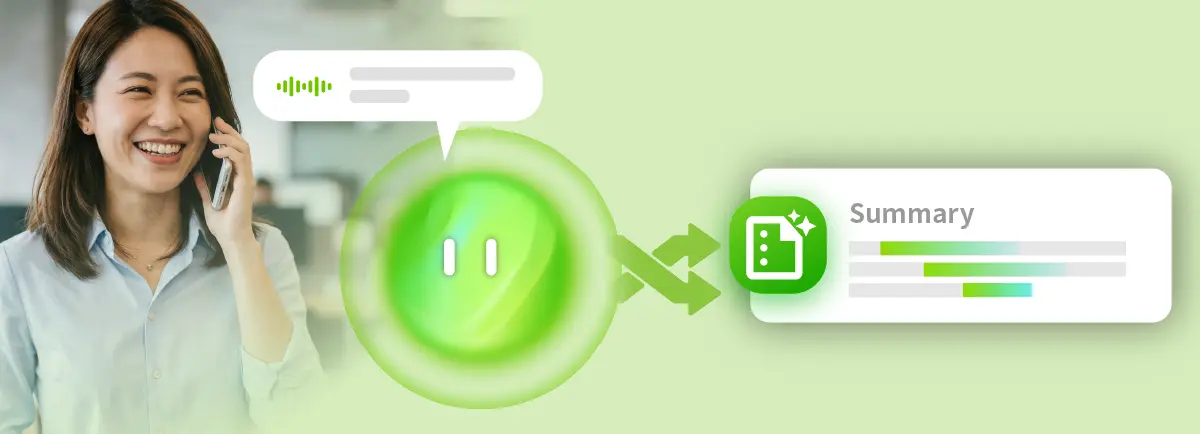




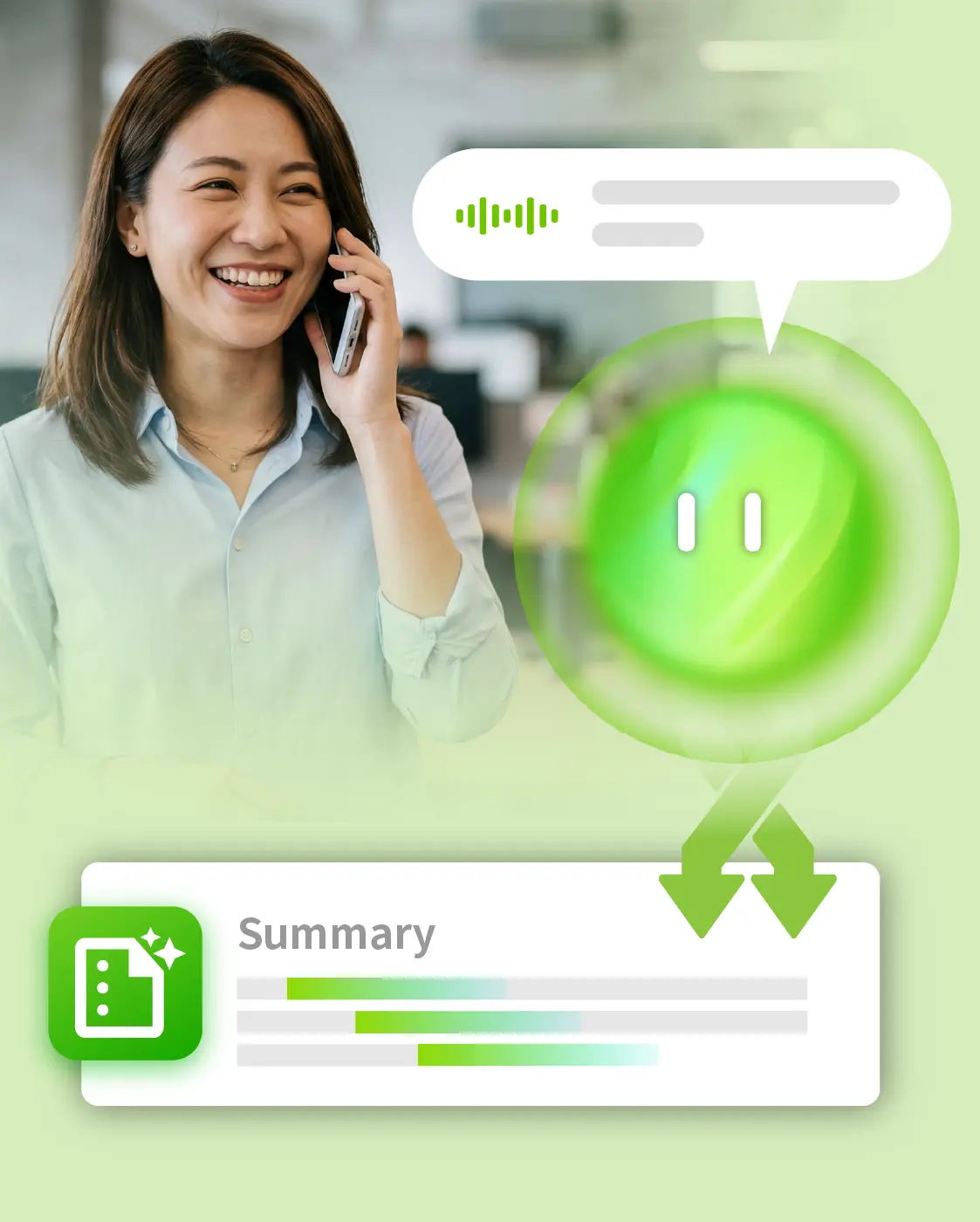
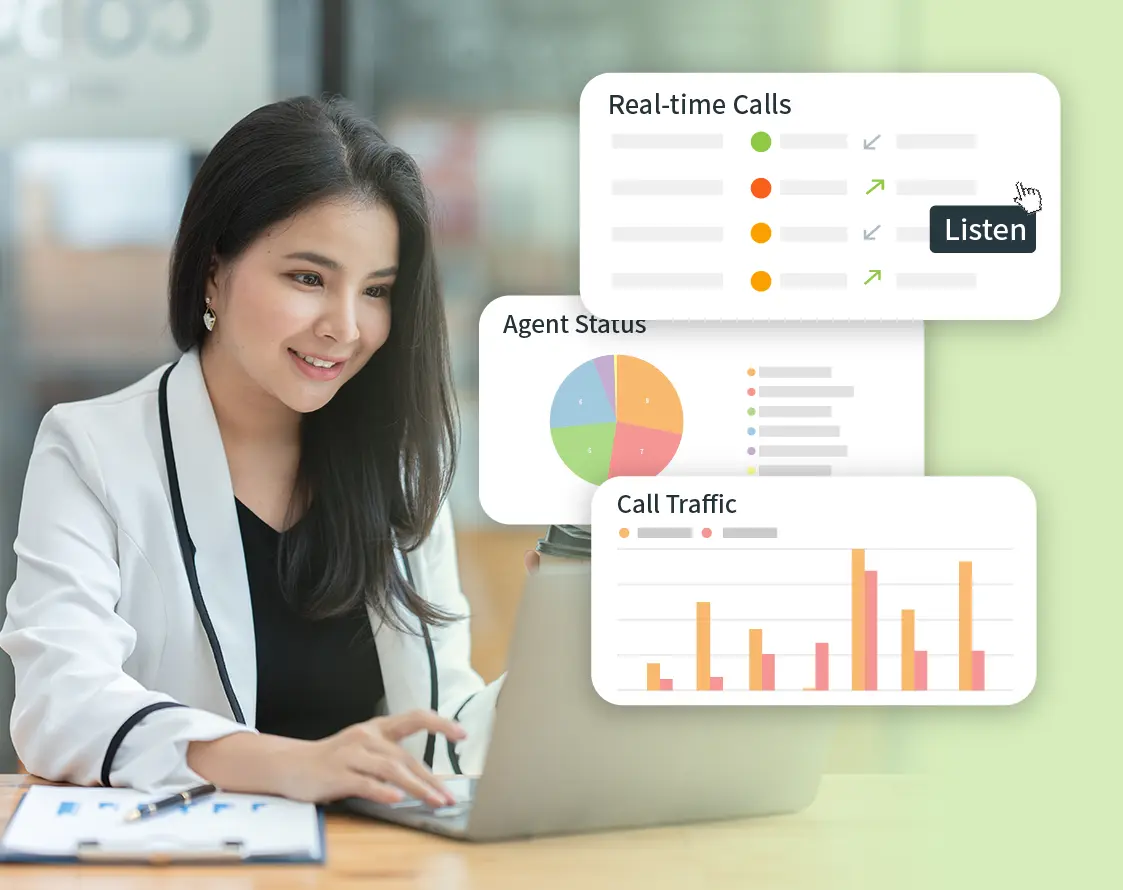
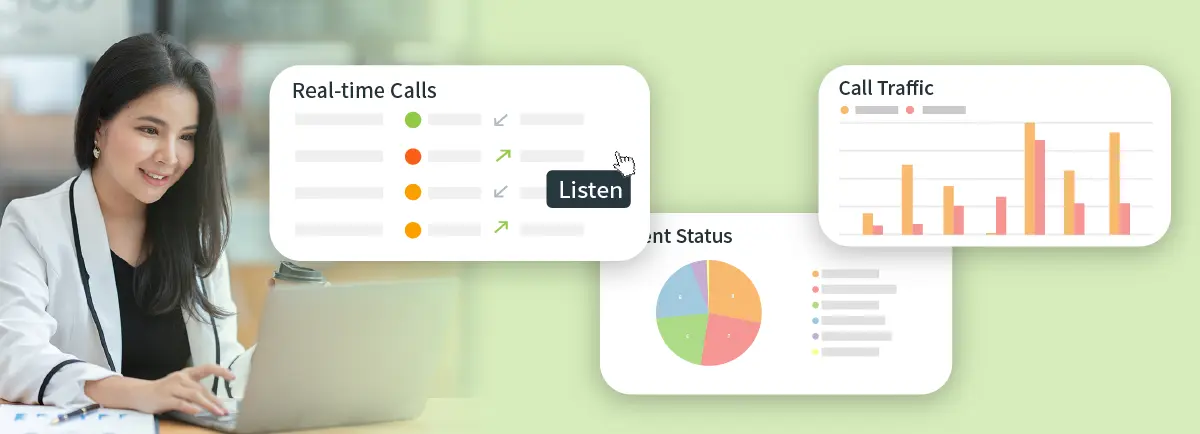






With manual dialing, agents look up numbers one by one, dial them manually and wait for someone to pick up. Actual talk time often accounts for less than 30% of the work time. An auto dialer works through the contact list automatically and only connects agents when a live call is confirmed, so every agent focuses exclusively on real conversations. EVOX Intelligent Auto Dialer is built on this architecture and is widely used for telemarketing, customer care and call surveys. It adds AI call summaries and real-time monitoring so management gets full visibility into every interaction.
It depends on the system architecture. Traditional outbound systems typically require physical servers, PBX switches, or SBC equipment, resulting in long deployment timelines and high upfront costs. EVOX Intelligent Auto Dialer runs on a fully cloud-based architecture with no hardware purchases required. The system is ready to use as soon as your account is activated, with minimal IT involvement, making it ideal for teams that need to go live quickly.
DTMF (Dual-Tone Multi-Frequency) refers to the audio signals generated by telephone keypad presses. For outbound calling, the system plays a voice prompt during a call and asks customers to press a specific number key to respond, for example “Press 1 if you are interested in this offer, press 2 if you are not.” The keypress result is captured and logged automatically with no manual intervention needed. This is well suited for intent screening in telemarketing, satisfaction surveys, public polling and quick confirmation use cases. EVOX Intelligent Auto Dialer supports DTMF keypress response (and natural voice response in the near future), so businesses can enable this feature directly within their outbound contact center without any third-party integrations.
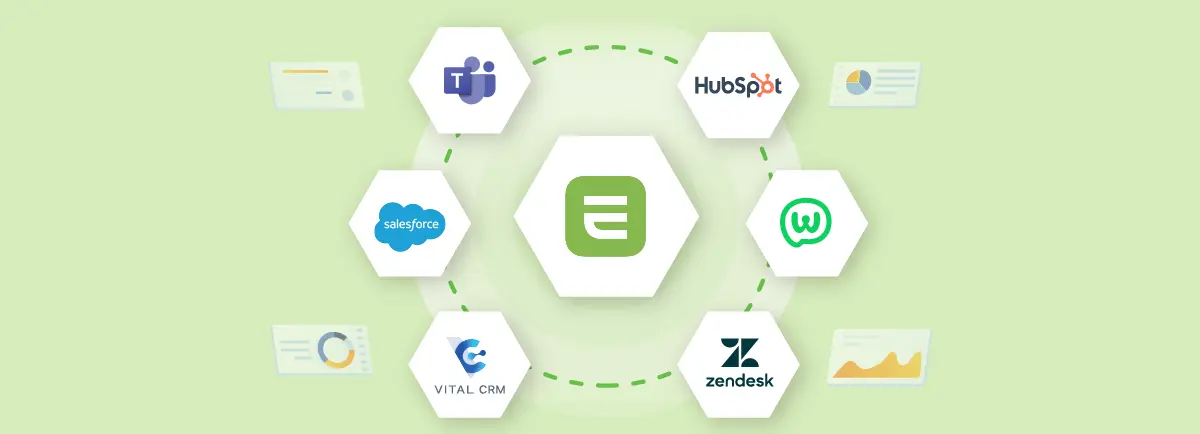
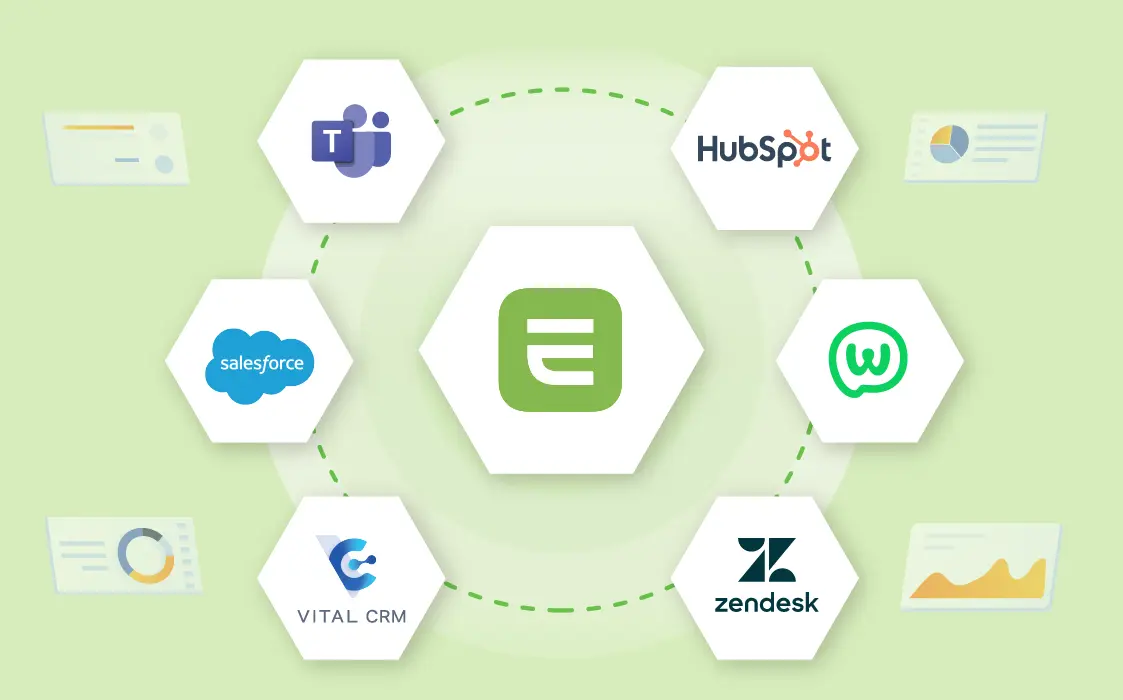
Yes. EVOX Intelligent Auto Dialer provides a comprehensive API that connects with major CRM platforms and proprietary internal systems. After each call, call records, duration and customer responses are written back to the CRM automatically, eliminating manual transcription errors and delays while keeping business data consistent across all systems.